archival projects & design
Piocent’s archival projects integrate the classical traditions of preservation and description with a cultivated focus on institutional provenance and physical record hierarchy. By refining established methods, we assist foundations in honoring their unique legacies, transforming dormant collections into lasting records of stewardship for scholarly research and the continuity of the public record.
Rather than a list of distinct projects, our portfolio contains a series of ongoing work that manifests in professional services and commissioned projects, publication, policy, exhibition, and prototype.
Investigating the relationship between classical archival management and creative historical interpretation through publication, design, and public engagement
Our first project involved helping a partner organization preserve and present its rich legacy. The work focused on organising and managing archival materials, while developing a cohesive historical narrative through documents, artifacts, photographs, and oral histories. This foundational project shaped Piocent’s approach to combining archival practice with narrative design. Building on this experience, Piocent is now developing new collaborations with governments, universities, and cultural institutions to apply these methods in academic and public history settings.
Our current work emphasizes the creation of immersive history labs, the integration of archival tools into teaching and research, and the design of book materials and interactive experiences that connect students and the public more directly with the past.
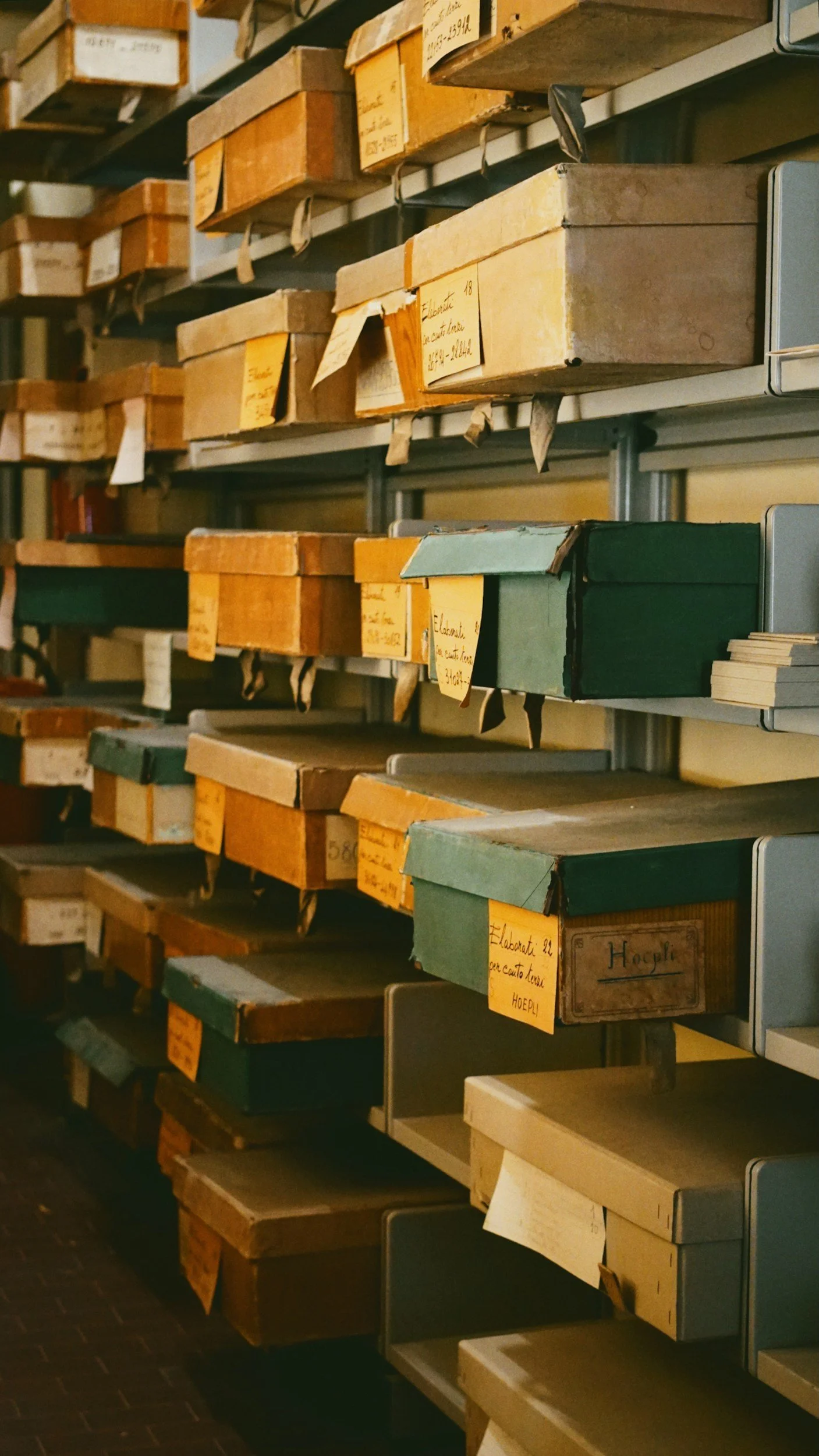


Less than 5% of a typical archive collection is ever on display. We specialize in caring for the other 95%, ensuring that all items are effectively organized, preserved, and accessible.
Archival services
Collections Storage and Handling: We review and recommend improvements for the storage and handling of archival materials to ensure their long-term preservation and accessibility.
Institutional & Collection Audits: We conduct forensic evaluations of existing record groups to identify administrative hazards, assess the integrity of the chain of custody, and determine the physical state of the record. These audits result in a formal report, providing a framework for long-term stewardship and compliance.
Acquisition and Deaccessioning: Evaluate policies and procedures for acquiring and removing items from the collection.
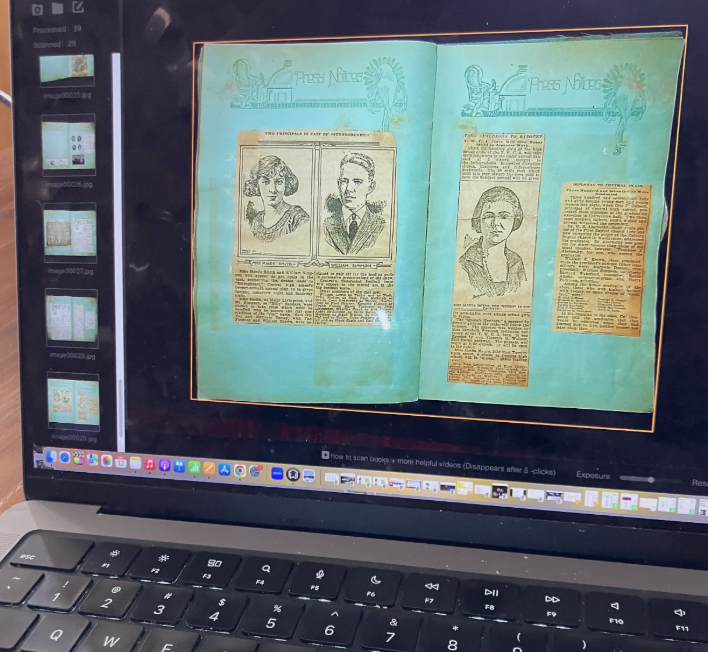
Arrangement and Description: Evaluate the organization and description practices of archival materials to enhance accessibility and usability for researchers and the public.
Policies and Procedures: Analyze and suggest improvements for policies related to collection development, access, preservation, and security, ensuring alignment with industry best practices.
Staff & Volunteer Training and Resources: Identify training needs and resources required for effective archival management.